How Long Does a Sewer Line Camera Inspection Take? A Highland Springs Homeowner's Guide
A sewer line camera inspection is one of the most useful diagnostic tools available to homeowners. Knowing what to expect time-wise makes scheduling easier. This guide walks through every stage of the process, from booking to receiving your report, with attention to what homeowners in Highland Springs, VA, may encounter given the area's housing age and sewer infrastructure.
How Long a Sewer Line Camera Inspection Actually Takes
A standard sewer line camera inspection typically takes between 45 minutes and two hours from start to finish. That range covers everything from setup to footage review, not just the time the camera is in the pipe. Most single-family home inspections wrap up closer to the one-hour mark, while older or more complex systems may run longer.
The timeline breaks into four stages: scheduling and access prep, on-site setup, the camera run, and footage review with a report.
Stage-by-Stage Breakdown of the Inspection Timeline
Scheduling and Getting Ready
Booking is quick. A phone call or online request is usually all it takes. Once you have an appointment, make sure the technician can access the main cleanout or drain access point. Knowing where your cleanout is located can save a few minutes on the day of service.
On-Site Setup
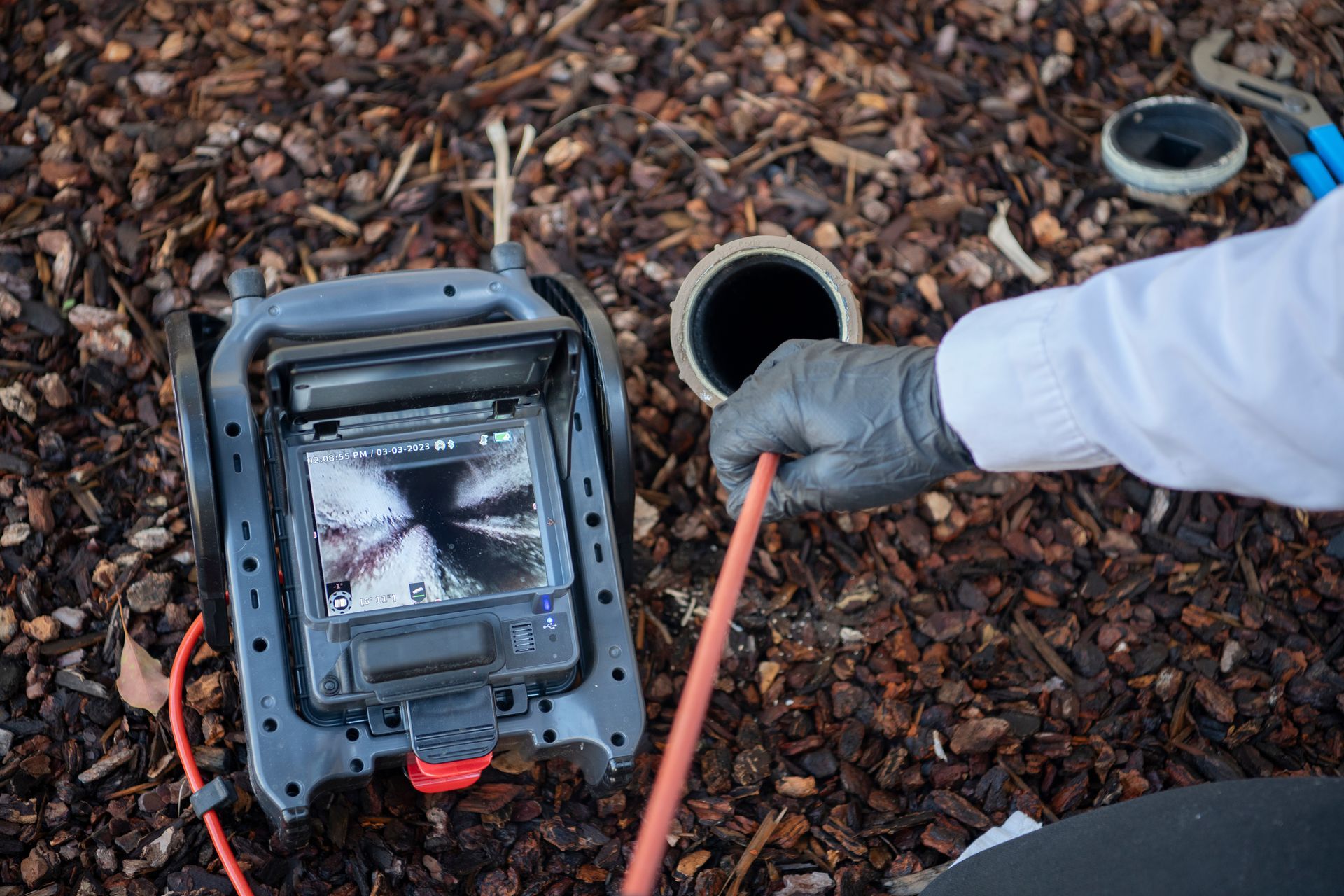
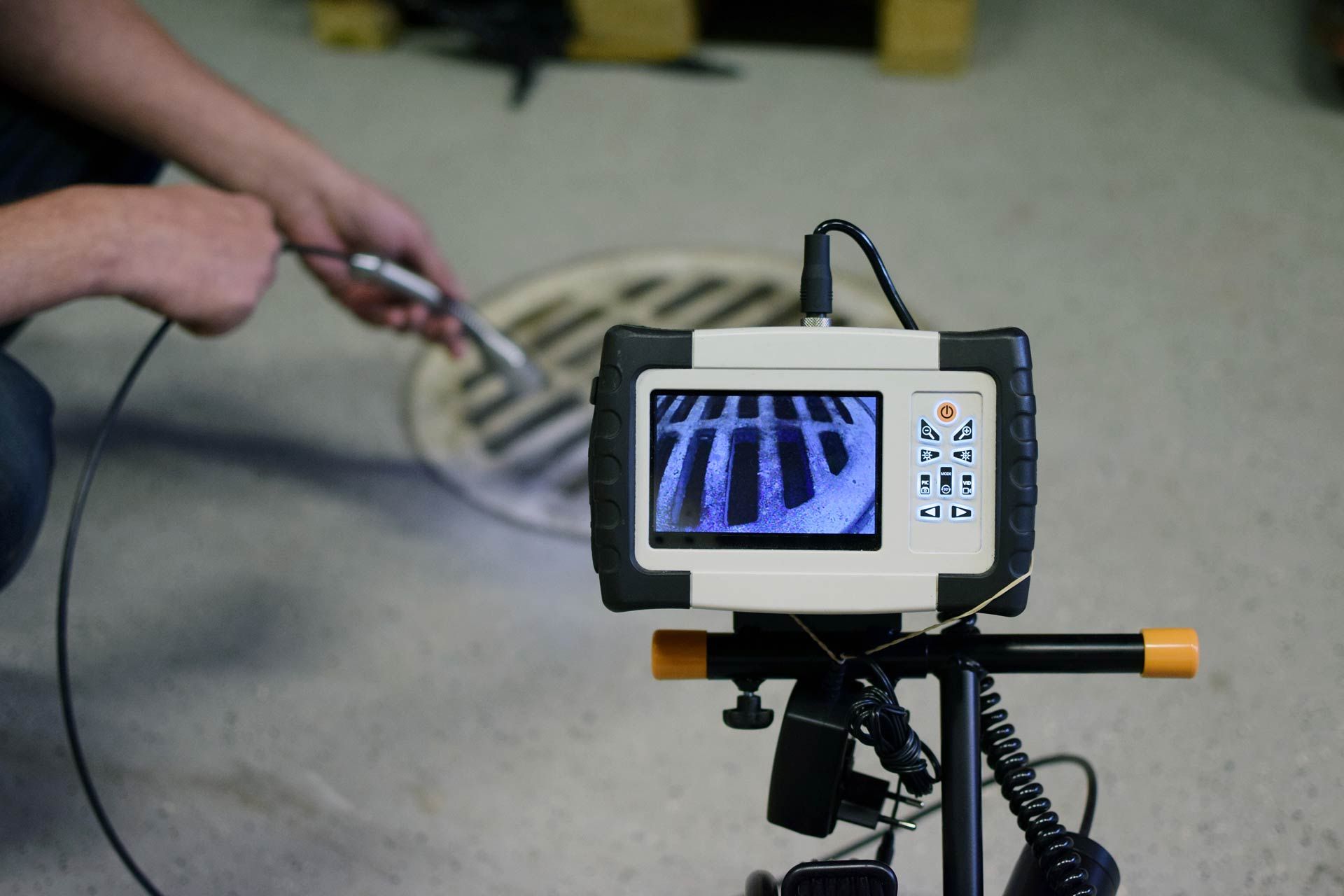
Setup usually takes 10 to 20 minutes. This includes locating the cleanout, assembling the camera reel, and connecting the monitor. If a cleanout is buried or hard to find, this stage may take a little longer.
The Camera Run
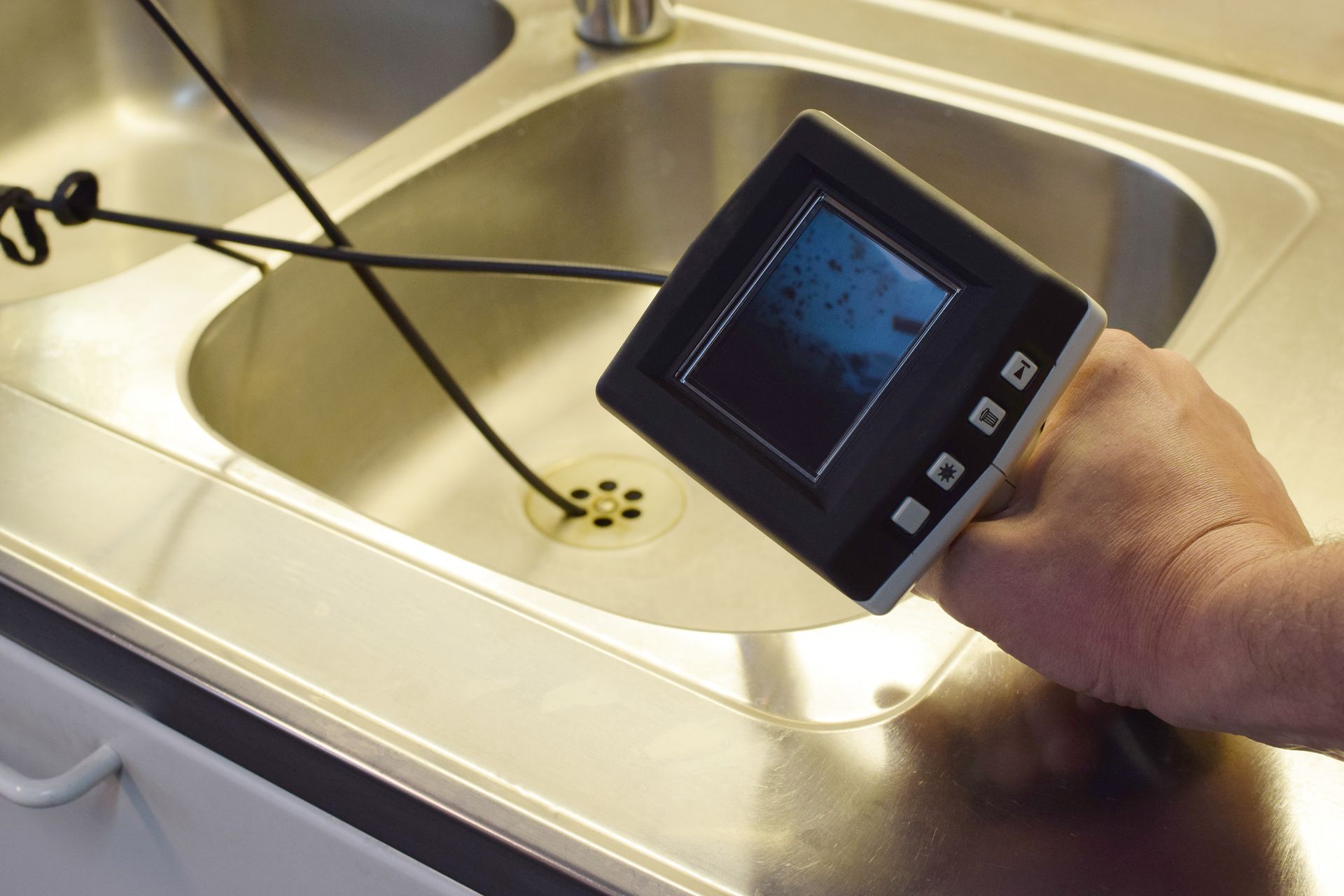
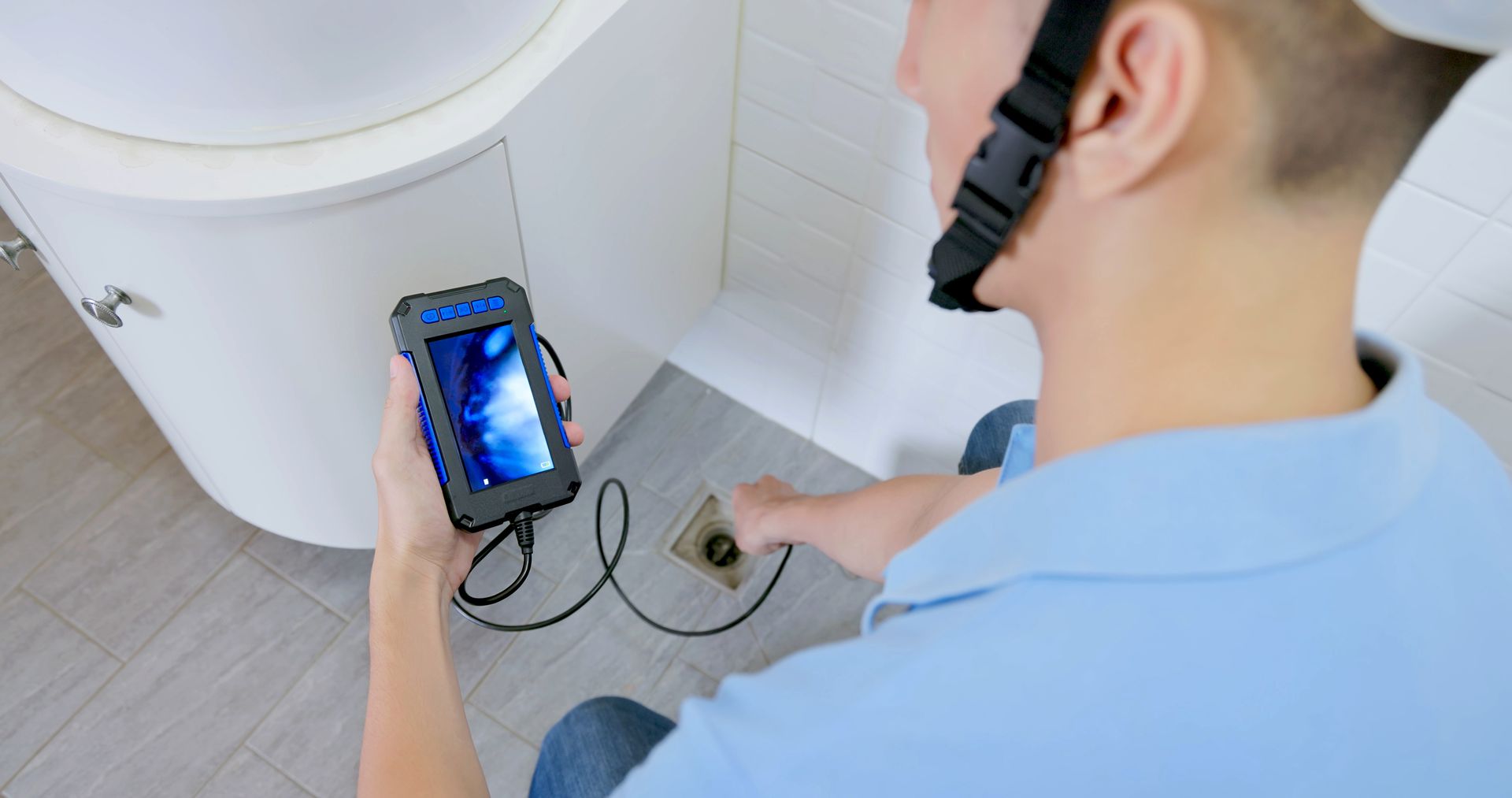
For a typical residential sewer lateral, the camera travels from the cleanout toward the street connection and takes 20 to 40 minutes under normal conditions. The technician watches live video on a monitor and may pause to document areas of concern.
Several factors can extend this stage. Longer sewer lines, significant blockages, sharp bends, or multiple access points all add time. Root intrusion, common in Highland Springs given the neighborhood's mature tree canopy, may require slower navigation to fully assess the problem.
Footage Review and Report
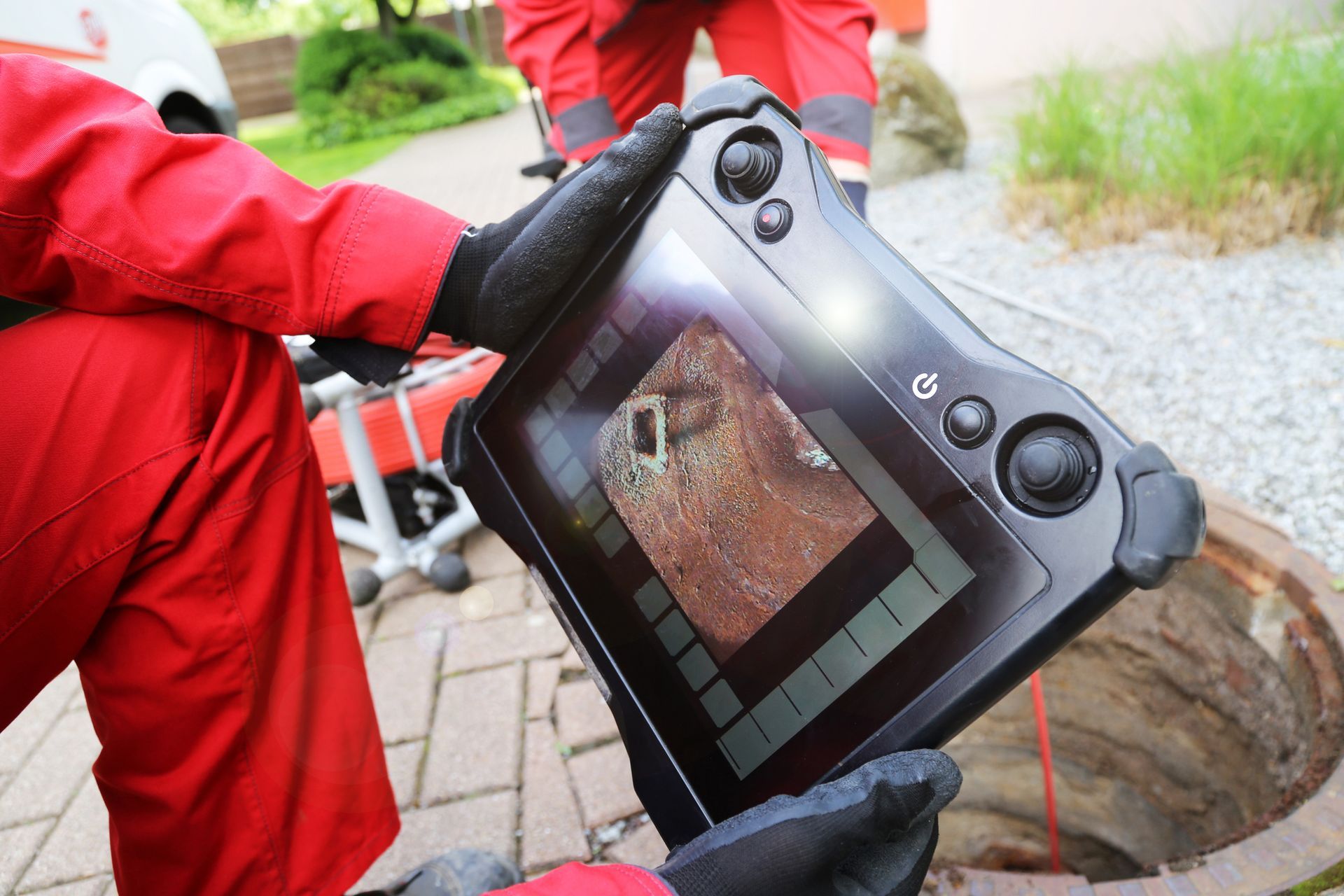
After the camera is retrieved, the technician reviews key footage with you and explains what was found. A written or digital report with images, measurements, and repair recommendations is provided on the spot or shortly after. This phase generally takes 15 to 30 minutes.
What Factors Make an Inspection Take Longer in Highland Springs?
Local conditions can genuinely affect duration. Homeowners in Highland Springs, VA, should be aware of a few area-specific factors.
Older pipe materials. Many residences were built between 1940 and 1969. Plumbing in these homes may include clay or cast iron pipe that has developed cracks, root intrusion points, and joint separations requiring slower camera navigation.
Mature tree roots. Tree-lined streets and mature landscaping mean root systems that have worked into older sewer joints over decades. Root intrusion often requires extra time to document before making repair recommendations.
Mixed foundation types. Homes in the area include crawl spaces, slab foundations, and partial basements, each affecting where cleanout access points are located. Crawl space homes may have access points in less obvious locations.
Line length to the street. Depending on lot depth and where the main sewer line exits the home, line length varies. Longer runs mean more camera travel time.
Do I Need to Be Home During the Inspection?
Yes. The technician needs access to your property and likely your interior cleanout. Being present lets you see the footage in real time and ask questions directly, which is the most efficient way to understand your sewer system's condition.
How Should I Prepare Before the Technician Arrives?
Clear the area around any known cleanout access points. Avoid running water or flushing drains heavily in the hour before the appointment, as this can temporarily cloud visibility inside the pipe.
What Happens After the Inspection?
You will receive a summary of findings. If problems are found, the technician can explain repair options such as pipe lining, spot repair, or hydro jetting. If the lines appear clear, you will have documented confirmation and a baseline for future inspections.
How Often Should Highland Springs Homeowners Schedule an Inspection?
Routine inspections every two to three years are a smart approach for homes built before 1970. Many Highland Springs properties have aging clay or cast iron sewer laterals, and early detection of cracks, joint shifts, or root intrusion can prevent a full sewer line replacement down the road.
Schedule Your Inspection With a Team Serving Highland Springs
A sewer line camera inspection is one of the most cost-effective ways to understand the true condition of your underground pipes before a small issue becomes a major repair. C & W Hanover Septic, Well and Plumbing brings over 40 years of experience serving Henrico County and the surrounding Richmond area, with licensed and insured technicians who walk you through findings clearly and honestly.
To schedule an inspection or ask about residential plumbing services, visit the
camera inspection page or the
contact page. You can also call directly at
(804) 746-2749 to speak with the team. Free estimates are available. Find them on Google at
C & W Hanover Septic, Well and Plumbing.